
Your yard is one of the first things people notice about your home. Done right, it adds serious curb appeal, increases property value, and gives you a space you actually enjoy. Done wrong, it becomes a money pit of dead plants, patchy grass, and constant upkeep headaches.
At Virtuous Care Landscaping, we have worked with homeowners across Gainesville and Alachua County for years. We have seen the same mistakes come up time and time again. The good news? Every single one of them is avoidable. Here is what to watch out for. Here's your local guide to the landscaping investments that genuinely pay off.
Mistake #1: Planting the Wrong Plants for North Central Florida
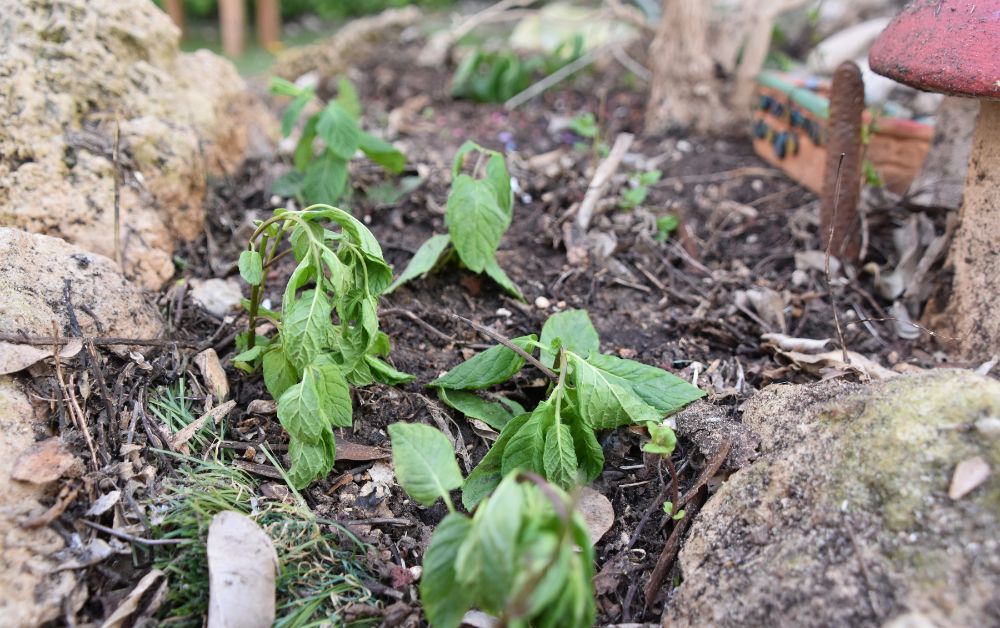
This is one of the most common and costly mistakes we see. Homeowners fall in love with a plant at the nursery, bring it home, and within one season it is struggling or dead. North Central Florida has a specific climate: hot, humid summers, occasional winter freezes, heavy summer rainfall followed by dry winters, and sandy nutrient-poor soil in many areas.
Plants that thrive in South Florida or look beautiful in a design magazine often do not survive here. Replacing dead plantings over and over adds up fast.
What to do instead:
Virtuous Care Tip: Before purchasing any new plant, ask yourself: is it rated for Zone 8b, and does it match my soil type and sun exposure? Those two questions alone will save you hundreds of dollars.
Mistake #2: Overwatering (Yes, Even in Florida)
It sounds counterintuitive in a state known for afternoon thunderstorms, but overwatering is one of the leading causes of lawn and plant failure in Gainesville. Many homeowners set their irrigation systems once and forget about them, running the same schedule year-round without adjusting for seasonal rainfall.
The result is consistently waterlogged soil that suffocates grass roots, promotes fungal disease, encourages shallow root systems, and wastes water on a lawn that does not need it.
Common signs you are overwatering:
Run your irrigation on a seasonal schedule. In summer, Gainesvilles rainfall typically provides most of what your lawn needs. Reduce or suspend irrigation during rainy season and install a rain sensor to automate the adjustment.
Mistake #3: Ignoring Soil Health
Most of Gainesville sits on sandy, well-draining soil that is naturally low in organic matter and nutrients. If you are planting grass, shrubs, or garden beds without first understanding your soil, you are setting yourself up for an uphill battle.
Sandy soil drains so quickly that fertilizers and water pass right through the root zone before plants can absorb them. This leads homeowners to over-fertilize in an attempt to compensate, which can burn roots, create runoff into local waterways, and still not solve the underlying problem.
What to do instead:
Virtuous Care Tip: A 0 soil test can save you hundreds in wasted fertilizer and failed plantings. We always recommend starting there before any major planting project.
Mistake #4: Mowing Too Short or Too Infrequently
Mowing seems straightforward, but it is one of the most consistently mishandled aspects of lawn care. Two mistakes dominate: cutting the grass too short (called scalping) and letting it go too long between cuts.
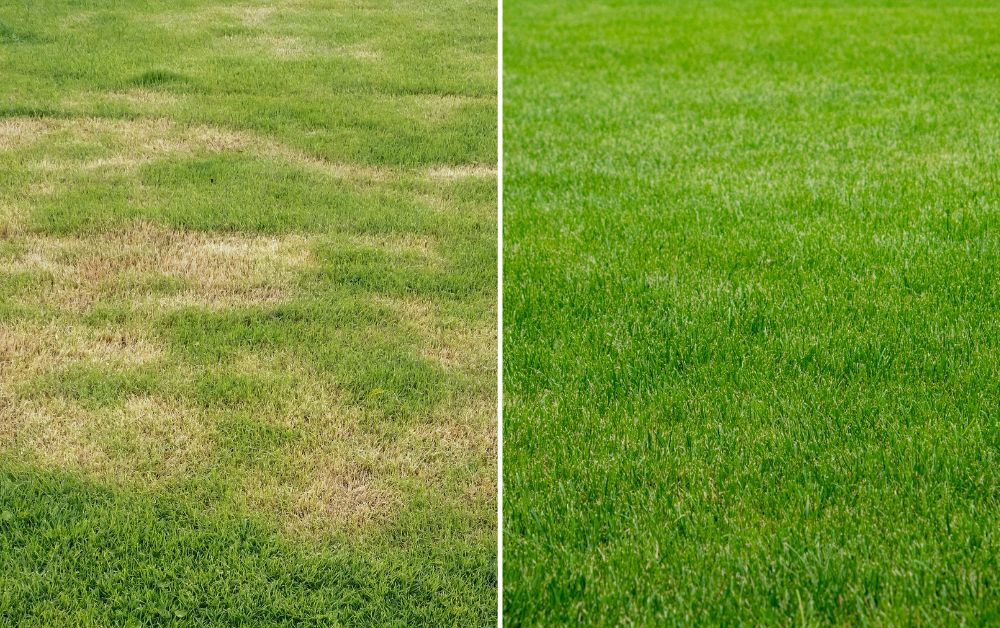
Scalping removes too much of the blade at once, stresses the plant, exposes soil to direct sun, and opens the door for weeds to move in quickly. In Gainesvilles summer heat, a scalped lawn can go from stressed to severely damaged within days.
Proper mowing heights and schedules for our area:
Virtuous Care Tip: Dull mower blades tear grass instead of cutting it cleanly, leaving ragged edges that turn brown and invite disease. Sharpen your blades at least once per season, and ideally at the start of each growing season.
Mistake #5: Neglecting Maintenance After Installation
A beautiful new landscape installation is an investment. But without consistent follow-through, even the best-designed yard deteriorates quickly. We see this regularly: homeowners spend money on a great install and then underestimate what it takes to maintain it.
In North Central Florida, our climate accelerates everything. Weeds grow faster, shrubs get leggy faster, mulch breaks down faster, and pests like chinch bugs and sod webworms can cause serious damage in a short window if not caught early.
The most commonly neglected tasks:
Virtuous Care Tip: Think of your landscape like your home HVAC system. It needs scheduled maintenance, not just emergency repairs. A seasonal care plan with a trusted local company is almost always more cost-effective than reactive fixes.
The Bottom Line
Most landscaping mistakes share a common root: good intentions without local knowledge. Gainesvilles climate, soil, and pest pressures are specific. What works in other parts of the country, or even other parts of Florida, does not always apply here.
The best investment you can make in your yard is partnering with someone who knows this environment and can help you make decisions that work long-term, not just at installation.
Have questions about your yard? Contact Virtuous Care Landscaping for a free property consultation. We serve homeowners across Gainesville and Alachua County with honest, expert landscape care.